
Records in a Ventura County Resident Lookup
Ventura County keeps no single name directory. A useful resident lookup moves from a clue to an official custodian. It then tests the name against a separate record. An address points to the Assessor and GIS. A name opens court, recorder, business, or license indexes. A family event points to vital records. Remember that a free index may lack the image. A public record may still omit protected fields.
| Record | What It Confirms | Where | Access |
|---|---|---|---|
| Assessor parcel | Property association, situs, and mailing distinction | Ventura County Assessor Property Search | Free search or counter; not occupancy proof |
| Deed index or image | Recorded ownership transaction and name variants | Clerk-Recorder Self-Service index | Index; paid copy or certification |
| Court docket | Party role, filing, case events, and probate links | Ventura Superior Court Case Inquiry | Free inquiry; not the official record |
| Vital event | Birth, death, marriage, and identity anchors | County or CDPH Vital Records | Informational or eligible authorized copy |
| Voter registration | Residence, status, and precinct for a permitted purpose | California Secretary of State status route | Self-lookup or qualified file only |
| Business, FBN, or license | Entity, registrant, credential, and public affiliation | SOS bizfile, County Clerk, or DCA | Free public search; not residence proof |
| Unclaimed property | Historic name, city, holder, and property connection | State Controller owner search | Free; current street address is not shown |
Start with the strongest clue. An APN or situs address can anchor a deed search, while a known case date narrows the court modules. A vital event can test a same-name candidate. Treat every row as one piece of evidence, because a property association or mailing address is not proof that a person lives there.
Ventura County Resident Lookup Identity Matrix
Name-first searches often fail. Compound surnames, initials, accents, and prior names get flattened into one guess. The Recorder compares its index to a library card catalog. Its guidance tells searchers to try every spelling variation. Preserve paternal and maternal surnames, and test de, del, and la particles. Try hyphenated and inverted forms, with and without diacritics. Where the record supports it, add variants. Use English or Spanish given names, nicknames, married names, and maiden names.
Two-source identity matrix. Keep one primary signal and one independent check for each candidate.
- Property plus deed
- Match APN or legal description to a recorded grantor or grantee and a plausible date.
- Court plus event
- Match a party role and known co-party, filing date, or place to a separate vital or address clue.
- License or business plus place
- Match a license number or entity filing to city, public address, or FBN details; never merge on name alone.
Date/place matrix. Note the record date, city or county, address or APN, relationship or party role, and exact spelling. A row that agrees on name but not time or place stays unconfirmed.
Record the search date and source. Court data can be incomplete, and an index can change. Written down carefully, the lookup creates a defensible connection for family history, an estate question, or a safe personal reconnection, not a broad list of names.
- Anchor the person to a known address, APN, event, or place.
- Run recorder and court searches with full, compound, initialed, and date-limited forms.
- Compare a second custodian, such as vital records, a license number, or an entity filing.
- Order a copy only after date, place, and role align.
Ventura County Property and Deed Records
The Assessor search begins with an APN or a situs address. County View identifies the parcel and its map layers, including adjacent polygons and jurisdiction. A situs is the physical property. A mailing address is where assessment notices go. It may be a PO box, a trustee, an agent, or another parcel. The roll shows an assessee relationship, while a deed records an interest and legal description. Neither source is a household roster.
Ownership is not occupancy. A deed, mailing address, or homeowners' exemption can support an owner connection, but it does not prove who lives at the property.
Read the recorded image or a certified copy when vesting, signatures, or legal description matter. Match APN, tract, lot, and instrument references. A street string alone can mislead. When the question expands to everyone along an address, the Ventura County street directory keeps that broader workflow separate from this one-person check.
Ventura County Court Lookup: Online Versus Staff
Ventura Superior Court splits its inquiry into Civil/Probate/Small Claims, Family Law, and Criminal/Traffic. Municipal Court entries begin January 1, 1989. Family Law begins September 1, 1991. Some active older cases were added. Combined Superior felony data starts in 1995. Unlimited-jurisdiction records can reach back to 1873. Those older cases remain available through staff and microfilm even when the web is not.
| Module | Exact search fields | Coverage and result limits |
|---|---|---|
| Civil, Probate, Small Claims | Case number or party name; case type and date refiners in eCourt | Case number, title, parties, filing date, type, and register events; unavailable information requires Records. |
| Family Law | Case number or party name | Generally post-September 1, 1991; minute orders are not online. |
| Criminal, Traffic | Criminal: First Name plus Last Name or Case Number. Traffic: Citation Number. | Current misdemeanors and infractions; felony data begins in 1995. DOB and driver-license searches were removed June 21, 2021. |
A docket result may show a lot. Expect case number, caption, filing date, category, party names and roles, register entries, hearings, judicial officer, disposition or status, and permitted newer images. Sealed and confidential files stay out of view. Adoption, paternity, surrogacy, mental-health, unlawful-detainer, and other restricted material will not appear for general viewing either.
- Docket
- The running case log of filings, events, and hearings, not the full file.
- Index versus image
- An index entry points to a record; an image is the filed document and may require a separate request.
- Certified copy
- A custodian-issued copy marked or sealed as official for a stated use.
When online results run thin, Records staff work from Hall of Justice Room 218 at 800 S. Victoria Avenue in Ventura. Hours are Monday through Friday, 8:00 to 4:00. Bring photo ID. Clerks pull up to five cases per transaction. Copies run 50 cents per page, certification generally adds $40 per document, a certified final divorce judgment costs $15, and exemplification adds $50. Searches over ten minutes incur the Government Code §70627(c) fee. Off-site files may take at least two court days, and requests over 75 pages need five working days.
Form VN266 supports counter, email, or mail requests. It asks for requester contact details, subject full name and aliases, date of birth if known, case number and type, approximate filing years, documents and certification sought, payment authorization, and delivery choice. Phone requests are not processed. Deliver it in person, by mail with a stamped return envelope, or to RecordsCorrespondence@ventura.courts.ca.gov. The form quotes 5 to 7 business days.
Juvenile, adoption, and probate records sit at Room 122, 4353 E. Vineyard Avenue in Oxnard. Records phones are 805-289-8668 and 805-289-8820.
Ventura County Vital Copy Choices in 2026
California does not use an open-after-100-years rule. Copy class controls access. An authorized copy can establish identity for an eligible requester. An informational copy states it is not valid to establish identity. It may redact sensitive fields. It serves as the public route for many nonconfidential events. Diacritical marks approved in 2026 add one more reason to search newer certificates. Search them with and without accents.
| Record | Authorized versus informational route | 2026 fee |
|---|---|---|
| Birth | Informational generally available; authorized copy limited by Health and Safety Code §§103525-103526; confidential portion restricted | $31 |
| Death | Informational generally available; authorized copy for eligible persons or official purposes | $26 |
| Public marriage | Informational or eligible authorized copy through county or state custodian | $19 |
| Confidential marriage | Spouse or court order under Family Code §509 | $19 where issuable |
| Divorce | CDPH certificate is not the full judgment; court access and certification rules apply | $18 CDPH; $15 court judgment |
Ventura County residents ordering a certified copy face a two-track system. The state draws a hard line between an authorized versus informational application. An application wants the copy type and count. It also asks for the event, all names including birth names, the date, and the city or county where it occurred. A birth record also needs both parents' full birth names. Applicants state their relationship and eligibility. They give a purpose and contact details, and sign under penalty of perjury; an authorized mail request adds a notarized acknowledgment. Authorized copies go only to a defined circle. That circle includes the registrant and close family. It also covers a spouse or domestic partner, someone with a court order, a qualifying attorney or adoption agency, law enforcement or government, an estate representative, a funeral agent, and certain next of kin. Payment to CDPH runs by check or money order. Cash is not accepted. A failed search keeps the fee while returning a Certificate of No Public Record, so check amounts against the 2026 fee schedule.
Ventura County Business and License Records
Business research for Ventura County starts at the state level. The California Secretary of State bizfile search takes an entity name or number. One query can return the legal name, status, formation details, and jurisdiction. It also returns addresses, agent, and the full filing history with images. Locally, a Ventura County fictitious business name record ties a registrant to a filing. It also lists an address. Treat it as a lead. It creates no corporation and proves no licensure.
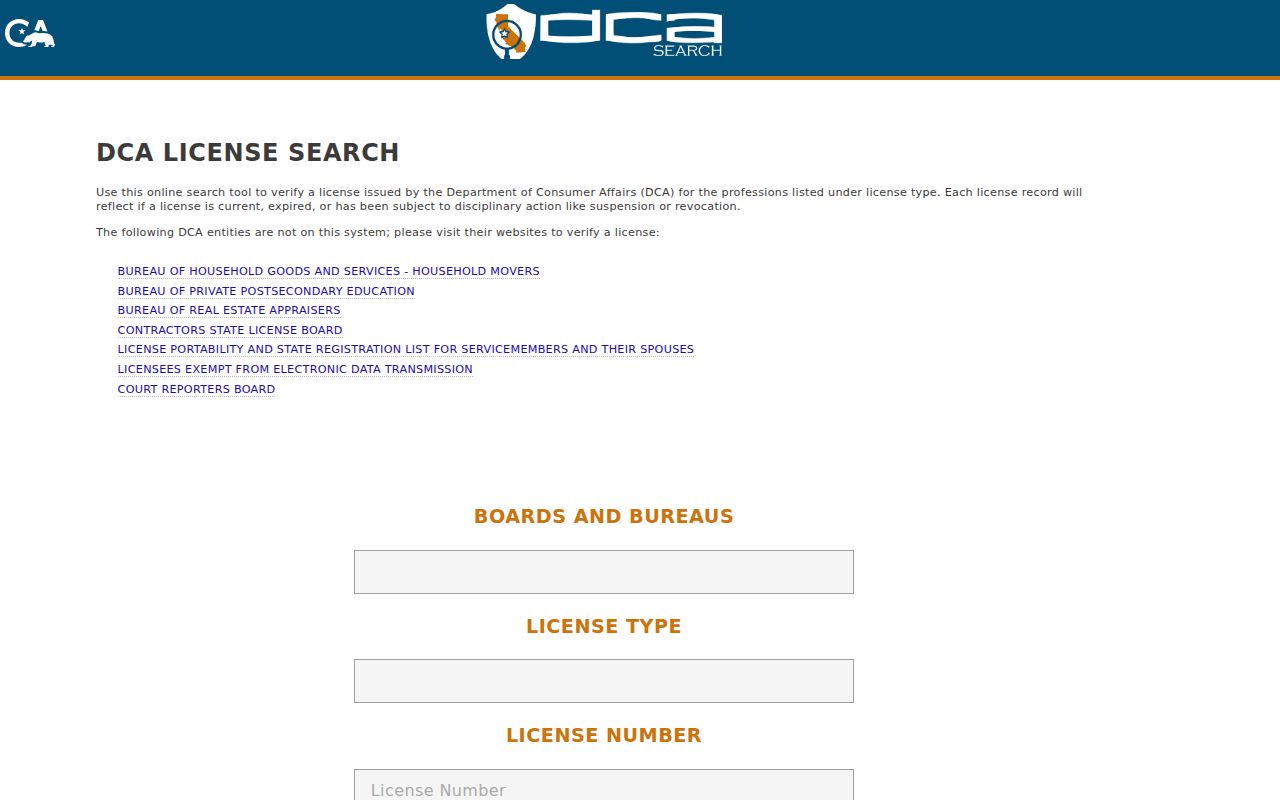
A filing history gives you a time and a role. An agent's address, though, is not a home address. For licenses, the California Department of Consumer Affairs searches by board or bureau. You can also search by license type or number, by business name, or by last and first name plus city or county. Results may show status, issue or expiration dates, a public address, and discipline links. A license number is the cleanest query. The DCA license search is the official source.
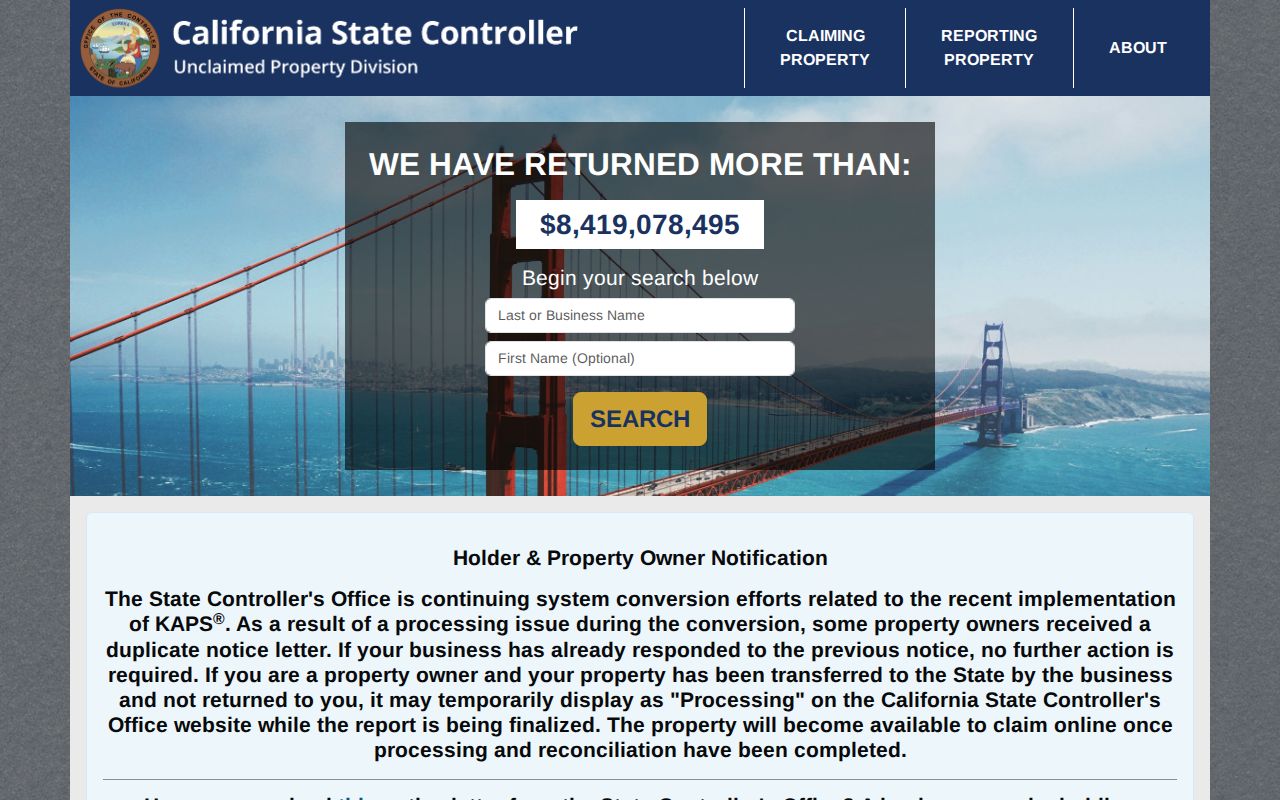
License status works as a second source, never as proof of where someone lives. Unclaimed property adds another angle. The State Controller's search accepts a last or business name, first name, and city. Results can show the owner, reported city, holder, and property type. No current street address appears. The California Unclaimed Property search is the proper source.
Confirm any result through a separate date, place, or role.
Ventura County Probate and Birth-Parent Routes
Probate is one of the strongest tools in a Ventura County residents directory search. It links a deceased person's name to living heirs. Petitions, notices, wills, creditor filings, and heir statements all carry names. Redaction and court limits still apply. Record the case number, filing date, party role, and stated relationship. A probate link is a proceeding. It is not proof of a current address.
Adoption and birth-parent research has its own rules. California routes it through confidential court, CDSS, and CDPH procedures. These include mutual-consent and authorized intermediary paths, and a confidential birth record must never be bypassed. For an older name, the Ventura County city directory collections can fix a time and place. That point can be tested against a later official record. Yearbooks and newspapers may locate a former classmate, but they stay historical clues.
Corrections belong with the custodian. The Assessor handles assessment or mailing data, the Recorder can accept an authorized corrective instrument or redaction request but will not rewrite a valid instrument, courts use correction or motion procedures, Elections takes registration updates, and each licensing board runs its own fix process.
Limits on a Ventura County Resident Lookup
A narrow California Public Records Act request lets you ask the right agency for an existing record. You can narrow it by type, date range, address, or APN. Agencies normally decide within 10 calendar days. Unusual circumstances allow a 14-day extension. The law does not force an agency to create a record or answer questions. CPRA gives way to vital, voter, DMV, juvenile, sealed, investigatory, and Safe at Home confidentiality rules.
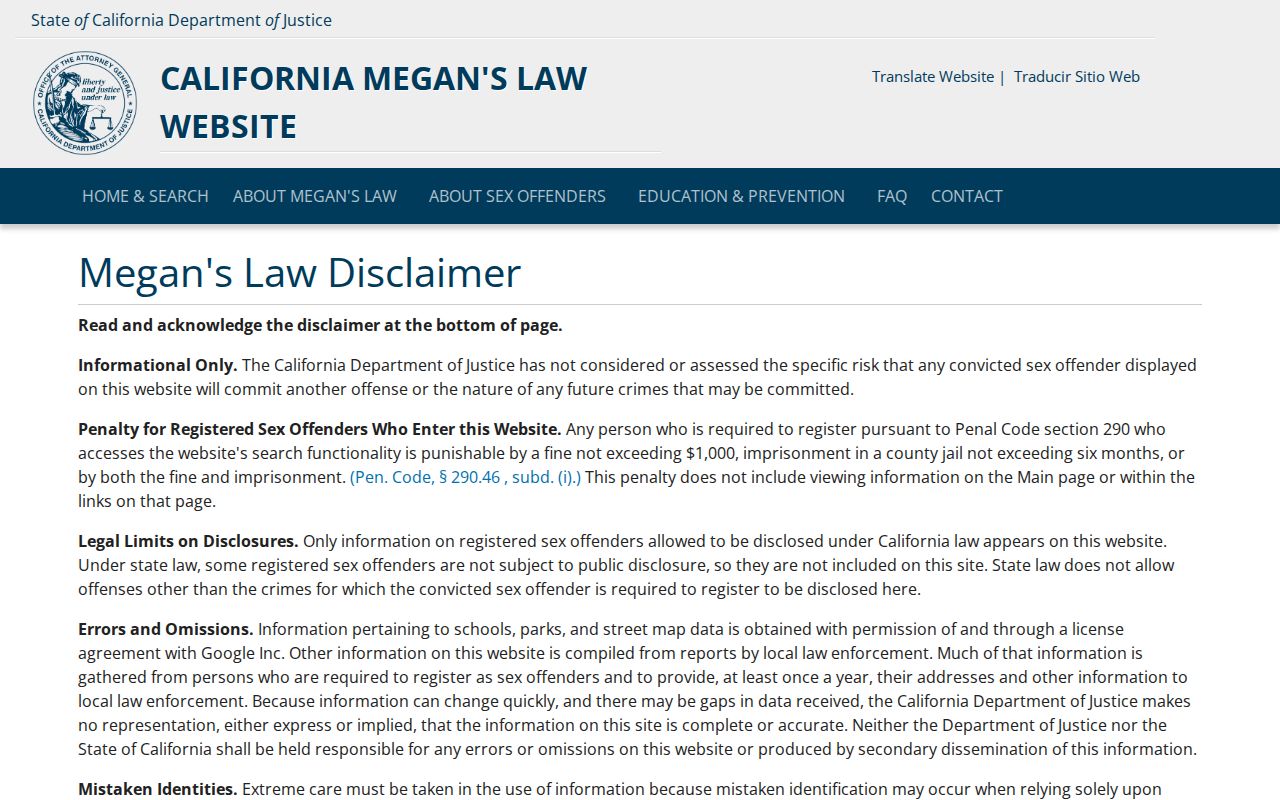
Voter data is purpose-limited under Elections Code §§2180-2194 and 2 CCR §§19001-19013. The federal DPPA restricts DMV personal information. California's Safe at Home program gives protected participants a substitute mailing address and suppresses residence details in specified records. Protected voter provisions are layered on top. The official California Megan's Law search carries statutory warnings. For a safety-related result, the California Megan's Law search is the official resource.
A public record can still be incomplete, protected, or unsafe to republish.
Lawful personal use. Use a Ventura County resident lookup for family history, estate work, safety, or reconnection. Do not use records to stalk, threaten, impersonate, repeatedly follow, or harass anyone; California Penal Code §§646.9, 422, and 653m can apply even when an index is open.